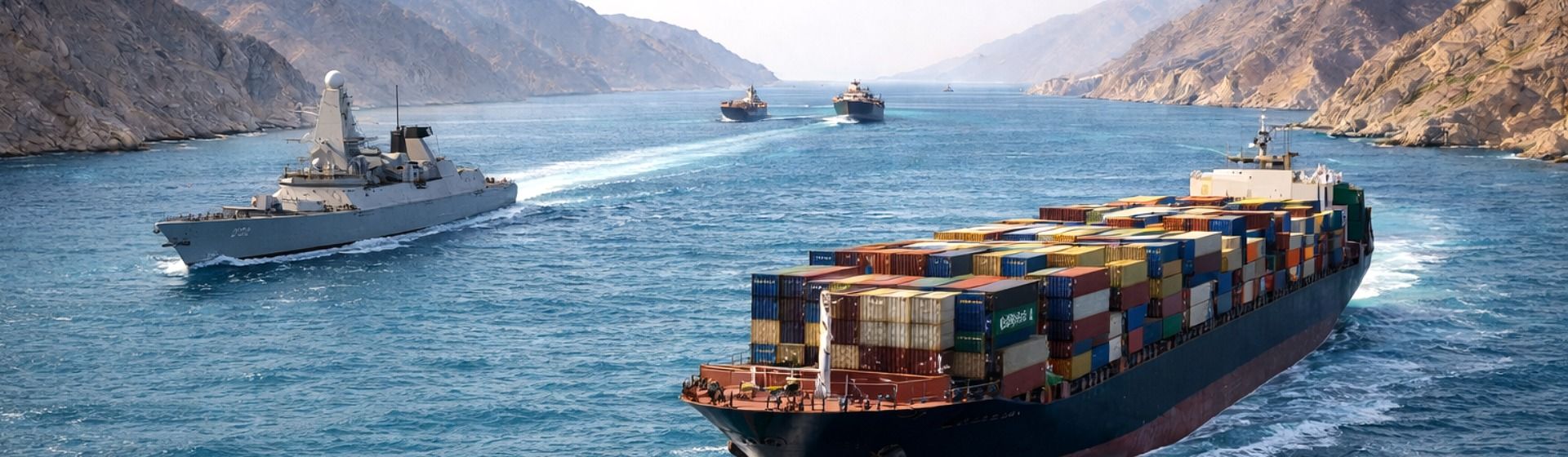

When conflicts affect energy markets and major shipping routes, UK businesses rarely feel it first through headlines. It tends to show up through higher costs, supplier pricing pressure, longer lead times and margin squeeze.
Snapshot Summary
For owner managed businesses, the immediate risk is cost pressure and operational disruption. That can include higher transport and delivery costs, supplier price increases, utility costs pressure, longer lead times and tighter margins.
The Strait of Hormuz matters because it carries a significant share of global oil and LNG flows, and disruption can affect the UK through global energy pricing even without large direct imports. The UK government says only about 1% of UK gas supply in 2025 came from Qatar, but the UK remains exposed because oil and gas prices are internationally set and feed through into local costs over time.
The right response is not panic. It is a disciplined review. Pricing, margins, quotes, forecasts, supplier exposure and stock planning are the areas most worth checking now.
Why this matters to UK businesses
Even where a UK business does not buy directly from the affected region, it can still be exposed through global oil and gas pricing, shipping disruption and wider supplier cost increases. That can filter through into diesel, delivery charges, electricity and gas, imported materials, packaging, chemicals and other inputs.
Where the situation stands now
On 10 March 2026, the UK said freedom of navigation through the Strait of Hormuz was of vital importance. The EIA said that, as of 9 March 2026, the strait was effectively closed to most shipping traffic, as attack risk and cancelled insurance cover led most tankers to avoid transit, with some regional production shut in.
The knock-on effect is uncertainty. The situation could escalate further or stabilise relatively quickly. Even if conditions improve, shipping schedules, insurance terms, and increased inflation can take longer to rebalance.
Five key ways this could affect businesses
Transport and delivery costsHigher oil prices can raise the cost of running vehicle fleets, making deliveries and moving goods more costly. This can show up directly in diesel and courier costs for your own dispatches, or indirectly through supplier and courier charges for your purchases.
Actions to take:
- Review your own delivery pricing to customers.
- Keep a close eye on increased freight, import and delivery charges from suppliers.
- Stress test how higher transport costs affect margins.
Supplier pricing and input costsPlastics, chemicals, fertilisers, packaging and some manufacturing inputs often become more expensive when oil, gas and freight costs rise. Even UK based businesses can feel this through supplier pricing and landed costs. Also bear in mind that rising energy prices, can have an overall impact on inflation and rising supplier prices.
Actions to take:
- Review which product lines or materials are most exposed to cost increases.
- Build a prudent allowance for higher landed cost into planning, quoting and forecasting.
- Speak to suppliers early if there are expected price changes.
- Ask about lead times, stock position and payment terms.
Light, heat and utility costsIf energy markets remain volatile, businesses with meaningful electricity or gas usage may face more pressure on operating costs. For manufacturers, for example, these rising costs can be significant.
Actions to take:
- Review and factor in increases in utility costs in budgets and forecasts.
- Stress test margin under higher energy-cost scenarios. (particularly applicable to manufacturing)
- Monitor actual monthly cost movement more closely.
Lead times and stock pressureDisruption can become a timing problem as well as a cost problem. If routes, insurance conditions or supplier backlogs change, lead times can extend and that can impact your service promise to customers.
Actions to take:
- Review reorder points and stock cover.
- Check whether alternative suppliers are available.
- Reforecast cashflow carefully and keep a close eye on working capital. Increase awareness across the team of extended cash cycle if you have made up-front payment terms to suppliers for goods, but the delivery is delayed en-route, as this will delay getting paid for the goods by the customers, which will put pressure on cashflow.
- Identify which customer commitments are most delay-sensitive.
Margin pressure, quotes and fixed price workFor many businesses, the practical risk is margin squeeze. If fuel, freight, utilities or materials rise but selling prices stay fixed, profitability can drop quickly. This is most noticable where work is quoted in advance, tender led or fixed price.
Actions to take:
- Review exposure to fixed price work.
- Revisit open quotes and live tenders.
- Shorten quote validity periods where appropriate.
- Check which contracts allow cost pass through and which do not.
Which businesses could be most affected
The businesses most likely to feel this sooner include firms that import goods or materials, manufacturers and engineering businesses, distributors and wholesalers, and businesses operating vehicle fleets or regular delivery routes. Construction and project based businesses can also be exposed, particularly where work is fixed price or tender led.
Energy intensive manufacturing may see pressure through increased utility costs, while businesses with low stock cover, long supply chains, or longer dated quotes or contracts may be more vulnerable to lead time disruption and cost changes. That does not mean other businesses are unaffected.
What owner managed businesses should do now
Business owners should review the actions highlighted above, and focus on pricing and margin protection, revisiting delivery charges and fuel surcharges, and building more caution into forward quotes and tenders. It is also important to adjust forecasts and cash flow assumptions for higher transport, energy and purchase costs, and extended cash/working capital cycles between supplier payments and customer payments.
It is also worth keeping in close contact with suppliers on pricing, lead times and payment terms, and reviewing exposure to fixed price work. Where there is a realistic risk of delays or price movement, check stock cover and alternative sourcing options, and communicate early with customers if delivery windows or pricing assumptions may need to change.
How can Oldfield help you?
Oldfield helps directors and owners stay in control by turning uncertainty into clear, practical decisions. The goal is fewer surprises, earlier action, and better visibility over cost pressure, pricing, cash flow and financial risks.
We take pressure off owners and support wider finance teams, so they can get clearer numbers they can rely on and can run the business rather than the business running them.
We can help you stress test margins and profitability, update forecasts and cash flow assumptions, review pricing and cost recovery, assess exposure to fixed price work and tenders, and plan around supplier, stock and lead time risk.
If you would like to see how we can help, Please contact us via the form below and we will be happy to advise on the best solutions for your business. We are here to support you in navigating these complexities.
Please note: This article is based on information available at the time of publication, including official government, central bank and international agency sources. Conflict developments, sanctions, shipping conditions, reserve release decisions, energy prices and wider market responses can change quickly. As a result, some details discussed may be subject to revision. Readers are strongly advised to consult current official sources and seek appropriate professional advice before taking any action. No responsibility can be accepted for any loss incurred by any person acting or refraining from action as a result of the material contained in this article.
Share Article
You give us 30 minutes of your time. We'll give you growth and a plan
It's easy to book an initial consultation - just provide some brief details, and your preferred date and time, and we'll reply by email to confirm your appointment.
Contact us